
Memphis is one of the country’s best-known freight and distribution hubs. Interstates, rail lines, the Mississippi River, and Memphis International Airport all meet here, and that means thousands of local jobs for truck drivers, warehouse associates, dispatchers, forklift operators, and other logistics workers. If you drive regional or over-the-road routes, or work long warehouse shifts, your home needs to fit an unusual schedule. This guide covers what logistics workers should look for in a Memphis apartment, from commute access and parking questions to budgeting on variable pay and keeping a home running while you are on the road.
Why Southeast Memphis works for logistics jobs
Location is everything when your workday starts at a terminal, a distribution center, or the airport. The Enclave sits at 2940 Hickory Hill Road in Fox Meadows, just minutes from Highway 385 and Interstate 240. I-240 connects the neighborhood to Memphis International Airport and to Downtown Memphis, about 17 miles away, and the interstate network ties into the major routes that run through the city. Our commuting guide explains how these routes connect, and our guide for DeSoto County commuters covers jobs just across the Mississippi state line.
Test the drive at your real hours
Traffic at 3 a.m. is very different from traffic at 5 p.m. Before you sign a lease, drive from the apartment to your terminal or warehouse at the time you would actually commute.
Parking: ask before you bring a big rig home
This is one of the most important questions for professional drivers. Many apartment communities restrict or prohibit parking commercial trucks, tractors, trailers, and oversized vehicles on the property. Before you apply, ask the leasing office:
- Are commercial vehicles or work trucks allowed in the parking areas?
- Are there rules about trailers, boats, or oversized vehicles?
- How many vehicles can each household park?
- Is there any guest parking policy?
If you cannot park your truck at home, look into secure truck parking near your terminal and factor that cost and commute into your plans. Get the answers in writing or confirm them in your lease.
Choosing a home for an unusual schedule
Bedroom placement and day sleeping
If you sleep during the day after overnight routes or shifts, a dark, quiet bedroom matters. Blackout curtains, white noise, and a room away from busy walkways help. Our guide to sleeping better in your apartment has more ideas.
Low-maintenance living
When you are gone for days at a time, apartment living has real advantages over a house. There is no yard to mow, and maintenance requests can be submitted through the resident portal from anywhere.
Amenities for your downtime
Long hours behind the wheel or on a warehouse floor take a physical toll. The Enclave has a fitness center, swimming pool, tennis court, and soccer field on the property, which make it easier to stretch out and stay active on your days off.
Floor plan size
Solo drivers who are on the road often may want a one-bedroom. Families who hold down the fort while a driver is away may want two or three bedrooms. The Enclave offers a 689-square-foot 1-bedroom, a 1,014-square-foot 2-bedroom, and a 1,150-square-foot 3-bedroom.
Applying with variable or new income
Logistics pay can vary week to week with miles, loads, overtime, or seasonal peaks. When you apply:
- Bring recent pay stubs or settlement statements covering several months.
- If you are an owner-operator or independent contractor, bring tax returns, 1099s, and bank statements. Our guide for self-employed and gig workers explains how to document your income.
- If you just started a new job, an offer letter showing your pay may help.
- Ask the leasing office which documents it accepts.
Budgeting on variable pay
When income rises and falls, a steady system keeps rent safe:
- Budget using a lower-than-average month, not your best one.
- Set aside rent first from every paycheck, so the full amount is ready by the due date.
- Use autopay through the resident portal so rent is paid even if you are on the road.
- Build a cushion for slow weeks, truck repairs, or time between jobs. See our guide to building an emergency fund.
- Plan for seasonal swings. Holiday peak season can bring extra hours; slower months may follow.
Keeping home running while you are away
Before a long run
- Lock windows and doors, and set the thermostat to a reasonable temperature for the season.
- Unplug small appliances and empty the trash.
- Arrange a package plan; our package delivery tips help prevent theft.
- Leave a spare key with someone you trust in case of an emergency.
Pets
The Enclave is pet friendly with an on-site dog park, but pets need daily care. If you are gone for days, line up a reliable pet sitter or boarding.
Family at home
If a partner or family is home while you drive, make sure their names are on the lease or occupant list as required, that they can access the resident portal, and that they know how to contact the leasing office.
Staying healthy on and off the road
- Prep simple meals and snacks at home to take on the road.
- Keep a regular sleep routine on days off when you can.
- Stretch before and after long drives or shifts.
- Stay in touch with family and friends; long routes can be isolating.
Other Memphis logistics jobs
Warehouse, distribution, and air cargo work often involve night and early-morning shifts. Our guide for FedEx hub and night-shift workers and our overview of major Memphis employers have more information about working and living in Southeast Memphis.
Your home base in Fox Meadows
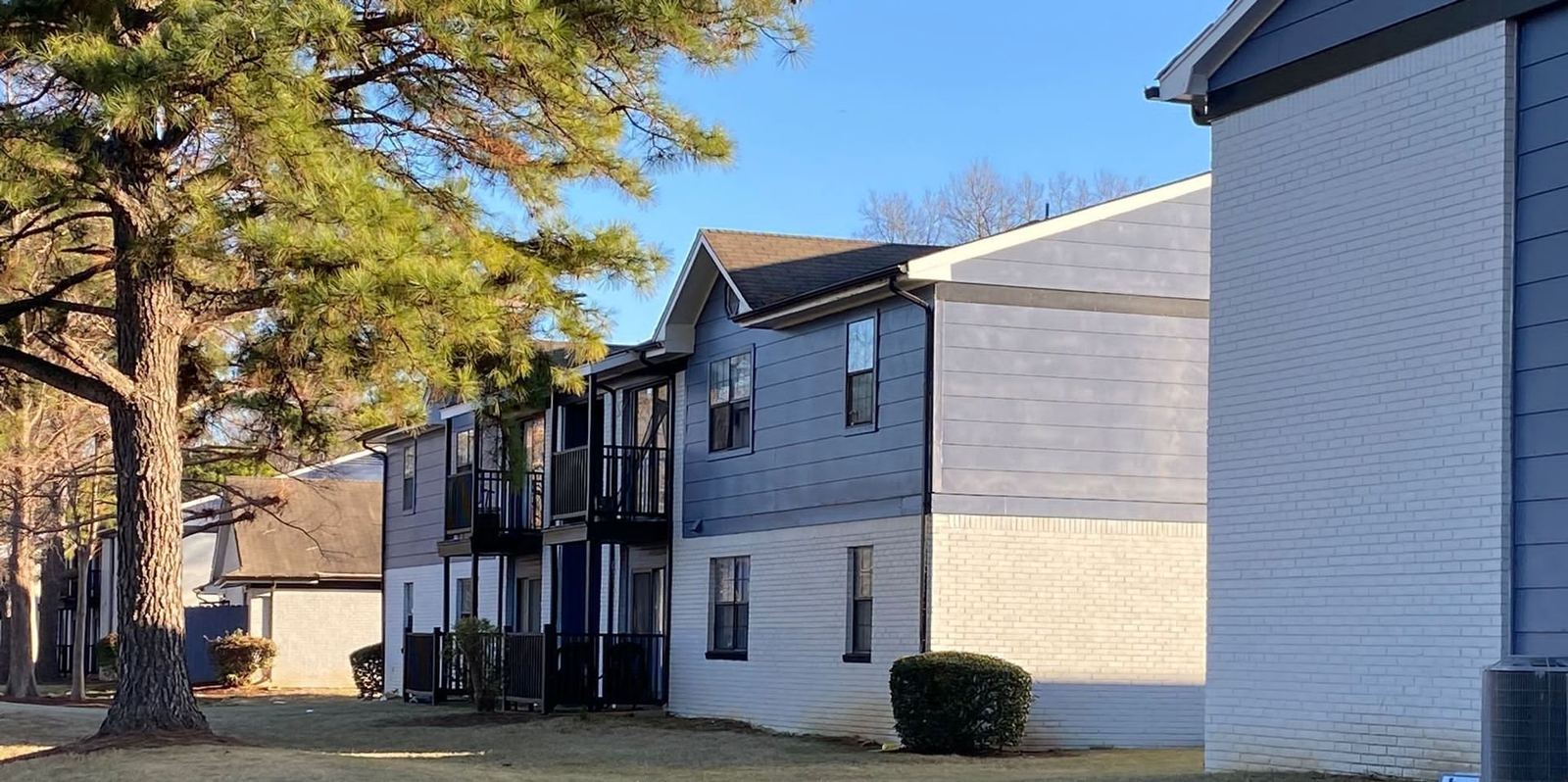
The Enclave offers 208 newly renovated one-, two-, and three-bedroom apartments and duplexes at 2940 Hickory Hill Road, close to Highway 385 and I-240. Learn more on our home page, compare the floor plans, schedule a tour (and ask about parking rules), or start your application with Apply Now.
Frequently asked questions
Can I park a semi truck at my apartment?
Many apartment communities restrict commercial trucks, trailers, and oversized vehicles. Ask the leasing office about parking rules before you apply and confirm them in your lease.
How do I prove income as an owner-operator?
Landlords often accept tax returns, 1099s, settlement statements, and bank statements. Ask the leasing office which documents it accepts.