

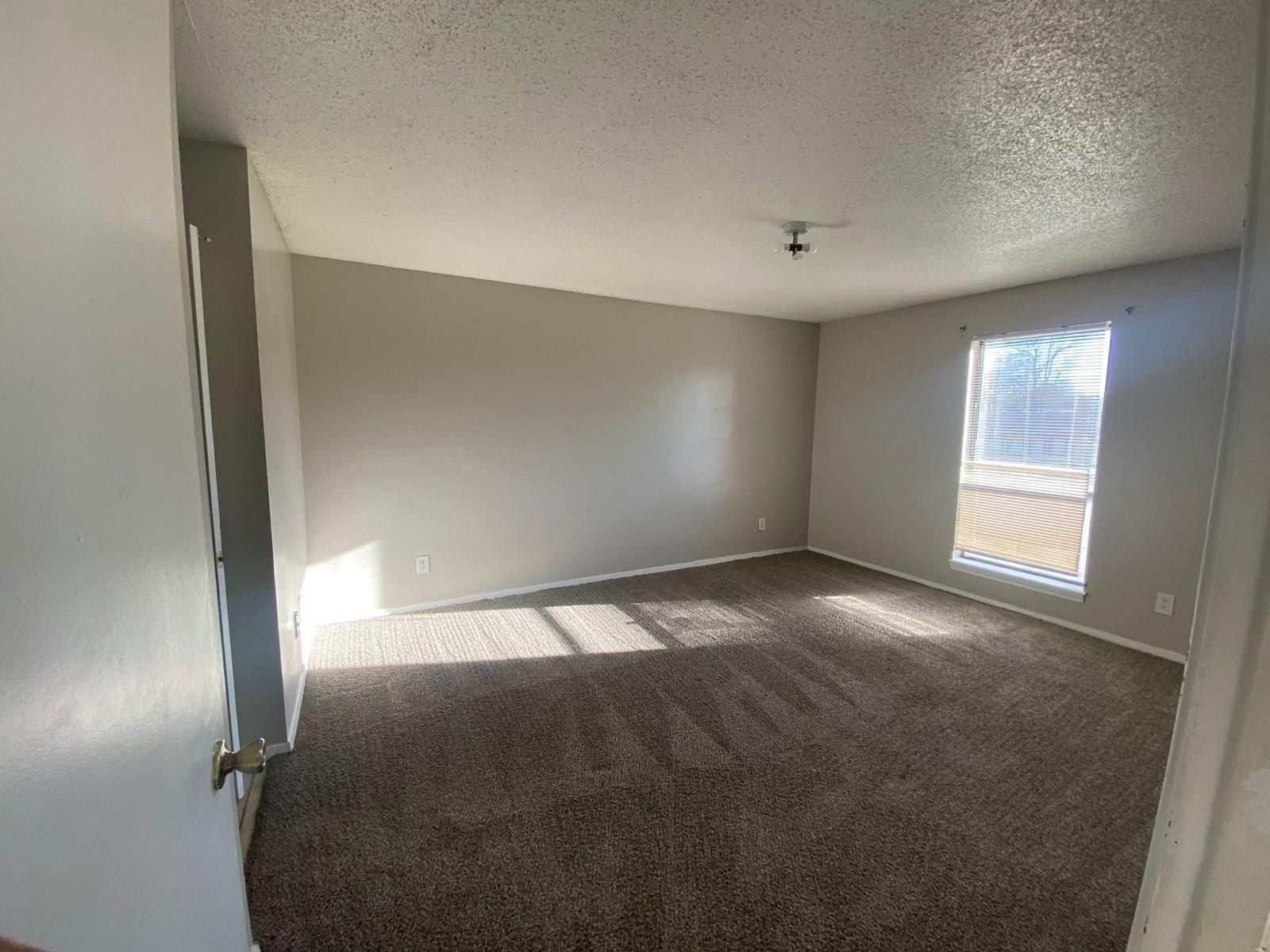
Good sleep affects everything: your mood, your focus at work or school, your patience with family, and your health. Apartment living brings its own sleep challenges, from neighbors’ footsteps and parking lot lights to a bedroom that doubles as an office. The good news is that most of the fixes are simple, inexpensive, and renter-friendly. This guide covers how to make your bedroom darker, quieter, and more comfortable, plus habits that help you fall asleep and stay asleep. It is general information; if you have ongoing sleep problems, talk with a doctor.
Make your bedroom dark
Light is one of the strongest signals telling your body whether it is time to be awake. Even a little light from outside can disrupt sleep.
- Blackout curtains: hang them on a tension rod or a curtain rod your property allows, or add a blackout liner behind existing curtains.
- Cover small lights: electronics with glowing lights can be covered with small stickers made for the purpose or simply turned to face the wall.
- Use a sleep mask if you share a room with someone on a different schedule.
- Dim lights in the evening. Warm, low lamps an hour before bed help you wind down. Our guide to renter-friendly lighting has ideas.
Make it quieter
Apartment sounds are part of shared living, but you can soften them.
Add soft surfaces
Rugs, curtains, upholstered headboards, and fabric wall hangings absorb sound. A bookshelf against a shared wall can also help.
Use white noise
A fan or white noise machine creates a steady background sound that masks sudden noises like a door closing or a car starting.
Choose the right room for sleep
If your floor plan has more than one bedroom, consider which one faces a quieter side of the building and use it for sleeping.
Earplugs
Foam or silicone earplugs are inexpensive and effective for light sleepers.
Our renter-friendly soundproofing tips go into more detail. If a specific noise issue continues late at night, a polite conversation with the neighbor or a note to the leasing office may help.
Get the temperature right
Many people sleep best in a slightly cool room. Experiment with your thermostat at night, and use layers of bedding you can add or remove. In a Memphis summer, a fan and breathable cotton or linen sheets help. In winter, flannel sheets and a warm blanket may let you keep the thermostat lower, which can also help your energy bill. If your heating or cooling is not working properly, submit a maintenance request through the resident portal.
Dry winter air can make you wake with a scratchy throat. Our guide to dry winter air and humidity explains how to find a comfortable balance.
Invest in your bed
- Mattress: if your mattress is lumpy, sagging, or leaves you sore, it may be time for a new one. A mattress topper can be a budget-friendly fix in the meantime.
- Pillows: replace flat pillows and choose a firmness that matches how you sleep.
- Bedding: wash sheets weekly and choose breathable fabrics.
- Measure before you buy: check that a new bed will fit your bedroom and through the doorway. Our guide to reading a floor plan can help.
Keep the bedroom for sleep
If your bedroom doubles as an office, your brain may associate it with work. If you can, set up your workspace in another room; a second bedroom or a corner of the living room can work. If not, put work materials away at the end of the day, or use a folding screen to hide the desk. Our home office setup guide has more ideas.
Habits that support better sleep
- Keep a consistent schedule. Go to bed and wake up at about the same time, even on weekends.
- Get daylight in the morning. Open the blinds or step outside soon after waking.
- Move during the day. Regular exercise can help you sleep better. The fitness center, tennis court, and soccer field at The Enclave make it easy to stay active close to home.
- Watch caffeine and heavy meals late in the day.
- Put screens away before bed, or at least lower the brightness.
- Create a wind-down routine: a shower, reading, light stretching, or calm music.
- Do not lie awake for hours. If you cannot sleep, get up, do something calm in dim light, and return when you feel sleepy.
Sleeping on a different schedule
Memphis has many jobs with overnight and early-morning shifts in logistics, healthcare, and other fields. If you sleep during the day, blackout curtains, white noise, and a “do not disturb” sign for the door become even more important. Let roommates or family know your sleep hours. Our guide for night-shift workers covers day sleeping in detail.
Sharing a room or a home
- Partners on different schedules: use a small reading light instead of the overhead light, and lay out clothes the night before.
- Kids: consistent bedtimes and a dark, quiet room help children sleep. In a two- or three-bedroom home, giving kids their own space can help everyone rest.
- Roommates: agree on quiet hours for weeknights.
- Pets: a pet that wanders at night may sleep better in its own bed or crate.
When to see a doctor
If you regularly have trouble sleeping, snore loudly, wake up gasping, or feel exhausted despite a full night in bed, talk with a healthcare provider. Sleep problems are common and often treatable.
Rest easy at The Enclave
The Enclave offers 208 newly renovated one-, two-, and three-bedroom apartments and duplexes at 2940 Hickory Hill Road in Fox Meadows. Learn more on our home page, compare the floor plans to find a layout with the bedroom space you need, schedule a tour, or start your application with Apply Now.
Frequently asked questions
How can I block outside light in my apartment bedroom?
Blackout curtains or liners on a tension rod or approved curtain rod, a sleep mask, and covering small electronic lights all help make a bedroom darker.
What helps with noise from neighbors at night?
A fan or white noise machine, rugs and curtains, earplugs, and choosing the quieter bedroom for sleep can all help. If a noise issue continues, talk with the neighbor or the leasing office.