

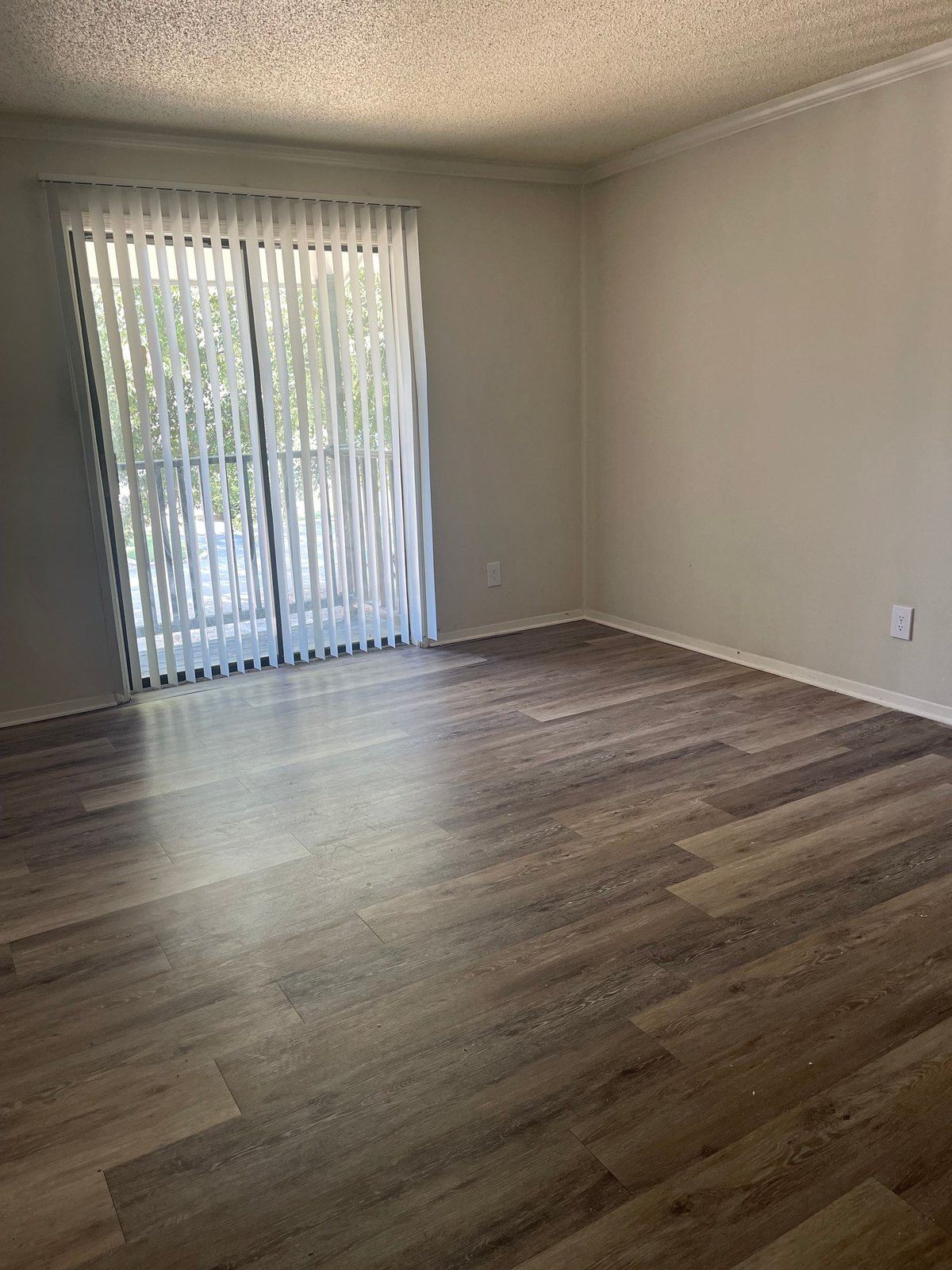
Apartment living means sharing walls, floors, and ceilings with neighbors, and that means some sound will always travel. A barking dog, a late-night movie, or footsteps overhead are part of life in any community. The good news is that you can make a real difference in how much noise comes in and how much goes out without drilling holes or losing your security deposit. This guide covers renter-friendly soundproofing ideas, smart furniture placement, and polite ways to handle noise issues, written for Memphis renters including residents of The Enclave Apartment Homes in Fox Meadows.
Understand how sound travels
Noise moves through an apartment in two main ways. Airborne sound, like voices, music, and TV, travels through the air and slips through gaps around doors, windows, and vents. Impact sound, like footsteps, dropped items, and furniture being moved, travels through the structure itself. Soft, heavy materials help with airborne sound. Cushioning and padding help with impact sound. Most renters get the best results by combining a few small fixes rather than looking for one big solution.
Block noise coming in
Seal the gaps around your door
The front door is often the biggest source of hallway and outdoor noise. A stick-on weatherstrip around the frame and a door draft stopper along the bottom can cut sound noticeably and help with drafts too. Choose removable products and ask the leasing office before applying anything adhesive to the door itself.
Upgrade your window treatments
Heavy, lined curtains absorb sound and help keep rooms cooler in summer and warmer in winter. Hang them on a tension rod or use existing hardware so there is no new drilling. Our energy-saving guide explains how the same curtains can help your MLGW bill.
Add soft surfaces
Hard floors and bare walls bounce sound around. Rugs, upholstered furniture, throw pillows, and fabric wall hangings soak it up. Even a full bookcase against a shared wall acts as a buffer.
Use white noise
A fan, air purifier, or white noise machine will not stop sound, but it masks it. Many people sleep far better with steady background noise that covers occasional bumps and voices.
Keep your own noise down
Being a considerate neighbor is half the equation. A few habits make a big difference to the people around you.
- Rugs and pads: Area rugs with a thick pad reduce footstep noise for the neighbors below.
- Felt furniture pads: Stick them under chair and table legs to stop scraping sounds.
- Speaker placement: Keep speakers and TVs off shared walls and set them on a stand rather than directly on the floor.
- Soft-close habits: Close cabinets and doors gently, especially early in the morning or late at night.
- Laundry and appliances: Run noisy appliances during daytime hours when you can.
- Headphones: Use them for late-night gaming, workouts, and movies.
Plan your layout around sound
Where you put furniture affects how a home sounds. If one bedroom wall is shared with a neighbor, place a dresser or closet storage along it instead of your headboard. Put your desk or TV on an exterior wall when you can. If you are comparing homes, ask during your tour which walls are shared. At The Enclave, the community includes both apartments and duplexes, and you can look at the layouts in the floor plans section before you visit.
Think about bedroom placement
In a two-bedroom, two-bath apartment, the two bedrooms are often on different sides of the home. That separation is helpful for roommates, couples on different schedules, and anyone working from home. Our roommate guide covers how to divide space fairly.
Handling a noisy neighbor politely
Most noise problems are accidental. Your neighbor may have no idea their bass carries through the wall or that their dog barks while they are at work.
- Note the pattern. Is it every night or one party? Write down dates and times if it keeps happening.
- Start friendly. A short, calm conversation or a polite note often solves the issue.
- Suggest a fix. “Would you mind moving the speaker off our shared wall?” is easier to say yes to than a complaint.
- Involve the office if needed. If the noise continues, contact the leasing office and share your notes. They can address lease and community rule issues.
For more on shared spaces and courtesy, read our good neighbor guide.
What not to do
- Do not glue foam panels or mount anything heavy without checking your lease first.
- Do not block vents, smoke detectors, or exits with sound-absorbing materials.
- Do not bang on walls or ceilings. It escalates the problem instead of solving it.
Sleep better in a busy world
If outside noise still keeps you up, try a combination approach: blackout curtains, a white noise machine, comfortable earplugs, and a consistent bedtime. Shift workers especially benefit from a quiet, dark bedroom setup.
Find a comfortable home in southeast Memphis
The Enclave offers newly renovated one-, two-, and three-bedroom apartments and duplexes at 2940 Hickory Hill Road, close to Highway 385 and I-240. Schedule a tour to see the homes in person, call (901) 795-4000, or apply now online.
Frequently asked questions
What is the cheapest way to soundproof an apartment?
Start with soft surfaces: area rugs with pads, heavy curtains, a door draft stopper, and a full bookcase on a shared wall. A white noise machine can mask what remains.
Can I put foam panels on my apartment walls?
Check your lease and ask the leasing office first. Adhesives and wall mounts can damage paint and affect your security deposit, so freestanding or removable options are safer.
What should I do about a noisy neighbor?
Start with a calm, friendly conversation or note. If the noise continues, keep a record of dates and times and contact the leasing office.