

When you apply for an apartment, your rental history tells a leasing team how you have handled past homes: whether rent was paid, whether the lease was followed, and whether you left the place in good shape. Strong rental references can make an application move faster, while gaps or surprises can slow it down. This guide explains what rental history usually means, how to prepare references before you apply, and what to do if your history is short or complicated. It is written for Memphis renters, but the ideas apply almost anywhere.
What “rental history” usually includes
Every property sets its own screening criteria, so ask the leasing office what they review. In general, rental history can include:
- Your previous addresses and how long you lived at each one.
- Landlord or property manager contact information for past rentals.
- Payment history, including whether rent was paid on time.
- Lease compliance, such as whether the lease was completed and notice was given properly.
- Move-out condition and whether any balance was left owed.
- Public records, which in some screening processes may include eviction filings.
Applications often also look at income, identity, and credit. Our guide to what happens after you apply walks through the full process.
Build your rental history list before you apply
Many applications ask for several years of addresses. Pulling that together while you are filling out a form online is stressful, so prepare it ahead of time.
For each past home, write down
- Full address, including unit number and ZIP code
- Move-in and move-out month and year
- Monthly rent amount
- Landlord or management company name
- Current phone number and email for the office or owner
- Reason for moving
If a property has changed management since you lived there, look up the current company. Old phone numbers are one of the most common reasons references cannot be verified.
Ask your references first
Before you list someone, let them know. A quick call or email helps them respond promptly when a leasing office reaches out.
- Current landlord: Let them know you are applying elsewhere and roughly when you plan to move. Check your lease for notice requirements first.
- Previous landlords: A brief, friendly reminder of who you are and when you lived there helps.
- Employer: Many applications verify employment. Let your HR department or manager know to expect a call or form.
- Personal references, if requested: choose people who know you well and are not family, unless the application allows it.
Gather supporting documents
Documents can help support your history, especially if a landlord is slow to respond:
- Copies of past leases
- Rent receipts, bank statements, or payment portal history showing on-time payments
- A letter from a previous landlord, if you have one
- Your move-out inspection or deposit return letter
Our guide to renter documents and records to keep explains why saving these papers pays off every time you move.
If you have little or no rental history
First-time renters, recent graduates, people who lived with family, and newcomers to the U.S. often have short rental histories. That is common. Options that may help:
- Show steady income with pay stubs or an offer letter.
- Provide records of other bills paid on time, such as a phone or car payment.
- Ask about a guarantor or co-signer. Our guarantor and co-signer guide explains how that works.
- Ask the leasing office what alternatives they accept.
Our step-by-step guide to renting your first apartment in Memphis is a helpful starting point.
If your history has a problem
A late payment, a broken lease, or a balance owed to a former landlord does not have to define your next application. Honesty and preparation help.
Address balances owed
If you owe a past landlord, contact them about paying it off or setting up a payment plan, and keep written proof of any agreement and payments.
Be upfront
If the application asks, answer truthfully. Leasing teams generally respond better to a clear explanation than to a surprise in a screening report.
Show what has changed
A stable job, a recent history of on-time payments, or a completed payment plan can help show that a past problem is behind you. Our guide to renting with bad credit has more strategies.
Check your reports
You can request free copies of your credit reports through AnnualCreditReport.com. If you find errors, you have the right to dispute them with the credit bureau.
Be a great reference for your next move
The best way to have strong rental references in the future is to build them now:
- Pay rent on time every month; autopay through a resident portal makes it easier.
- Report maintenance issues promptly and keep the home in good condition.
- Follow the lease, including pet and guest rules.
- Give proper written notice before moving.
- Leave the apartment clean and request a move-out inspection.
Our guide to paying rent on time explains how a steady payment record can help.
Applying at The Enclave
The Enclave’s application is online through the secure Rent Manager Apply Now link. The application fee is $50, and there is a $100 admin fee. If you have questions about what to prepare, call the leasing office at (901) 795-4000 before you apply.
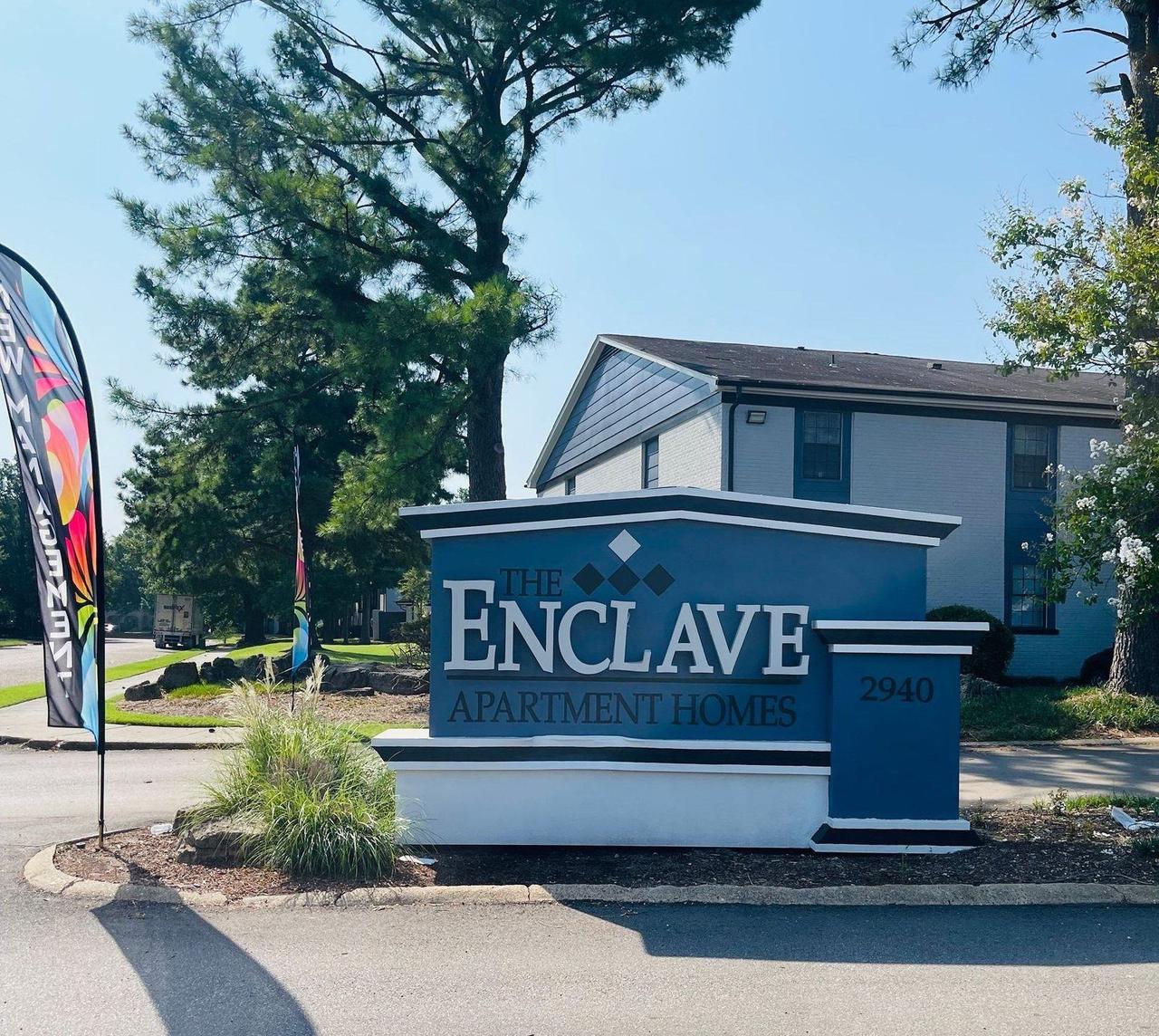
The Enclave offers 208 newly renovated one-, two-, and three-bedroom apartments and duplexes at 2940 Hickory Hill Road in Memphis. Visit our home page, compare the floor plans, schedule a tour, or start with Apply Now.
Frequently asked questions
What if I have no rental history?
First-time renters can often strengthen an application with proof of steady income, records of other bills paid on time, or a guarantor. Ask the leasing office what they accept.
What are the application fees at The Enclave?
The Enclave lists a $50 application fee and a $100 admin fee. Call (901) 795-4000 with any questions before you apply.