

Not every renter has the income, credit history, or rental history a landlord is looking for, at least not yet. Students, first-time renters, people who are new to the country, and anyone rebuilding credit may hear the words “guarantor” or “co-signer” during the application process. These arrangements can help an application move forward, but they also come with real responsibility for the person who agrees to help. This guide explains how guarantors and co-signers generally work, how to ask someone to be one, and what both sides should understand before signing. Policies vary from landlord to landlord, so always ask the property you are applying to what it accepts.
Guarantor, co-signer, and co-applicant: what is the difference?
People sometimes use these terms interchangeably, but they can mean different things depending on the lease and the landlord.
Guarantor
A guarantor generally agrees to be financially responsible if the renter does not pay rent or other amounts owed under the lease. The guarantor usually does not live in the apartment. Landlords often screen a guarantor’s income and credit the same way they screen an applicant.
Co-signer
A co-signer is often treated similarly to a guarantor: someone who signs to back the lease financially without living there. Some leases use the term to mean a person who is fully on the lease alongside the tenant. Read the document carefully so everyone understands which arrangement it is.
Co-applicant or co-tenant
A co-applicant is someone who will live in the apartment and applies alongside you, such as a spouse, partner, or roommate. Each adult who will live in the home is commonly expected to apply. Our roommate guide covers applying together.
Our lease terms glossary has plain-English definitions of these and other common lease words.
Who might need a guarantor?
- Students and recent graduates who are just starting to work and have little rental history.
- First-time renters moving out of a family home.
- Renters with limited or damaged credit who are rebuilding.
- Newcomers to the United States who do not yet have a U.S. credit file.
- People starting a new job who cannot yet show a long history of pay stubs.
- Self-employed renters whose income varies month to month.
A guarantor is not the only option. Depending on the landlord, savings statements, an offer letter, references, or choosing a rent that fits your income more comfortably may also help. Our guide to renting with bad credit walks through other ways to strengthen an application.
What a guarantor is agreeing to
Before anyone signs, both of you should understand the commitment. In general, a guarantor may be responsible for:
- Unpaid rent for the term of the lease.
- Other charges the lease allows, which may include fees or costs for damage beyond normal wear.
- Obligations that continue for the length of the lease, and sometimes renewals, depending on how the guaranty is written.
A guaranty can affect the guarantor’s finances and credit if payments are missed and the debt goes to collections. Anyone being asked to guarantee a lease should read the full document and ask questions. If anything is unclear, it is reasonable to get independent advice before signing.
How to ask someone to be your guarantor
Asking for this kind of help can feel awkward. A clear, respectful approach makes it easier for everyone.
- Choose the right person. Landlords commonly look for a guarantor with steady income and good credit. Parents, other relatives, or a trusted mentor are common choices.
- Share the details. Tell them the monthly rent, the lease length, and the apartment you are applying for.
- Show your plan. Bring a simple budget showing how you will cover rent, utilities, and other costs. Our rent affordability guide can help you build one.
- Agree on communication. Promise to tell them right away if you run into trouble paying, so they are never surprised.
- Respect a “no.” Guaranteeing a lease is a big ask. If someone declines, thank them and look at other options.
What a guarantor may need to provide
Requirements differ by landlord, but a guarantor is often asked for some combination of:
- A completed application and consent to screening
- Photo identification
- Proof of income, such as pay stubs, tax returns, or bank statements
- Contact information and current address
- A signed guaranty agreement
If your guarantor lives in another city or state, ask the leasing office how they can complete the paperwork remotely.
Being a responsible renter with a guarantor
A guarantor is trusting you with their financial reputation. Honor that trust:
- Pay on time, every time. Autopay through a resident portal can help. See our tips on paying rent on time and building credit.
- Keep an emergency cushion so a surprise bill does not turn into a missed rent payment.
- Take care of the home and report maintenance issues promptly to avoid damage charges later.
- Keep your guarantor informed about renewals, moves, or changes to your lease.
- Work toward independence. A year or more of on-time payments and a stronger credit file may help you qualify on your own next time.
Questions to ask the leasing office
- Do you accept guarantors or co-signers? Are there specific income or credit requirements for them?
- Can a guarantor live out of state?
- Does the guarantor complete a separate application, and is there a fee?
- How long does the guaranty last, and does it carry over to renewals?
- What other options are available if I do not have a guarantor?
Applying at The Enclave
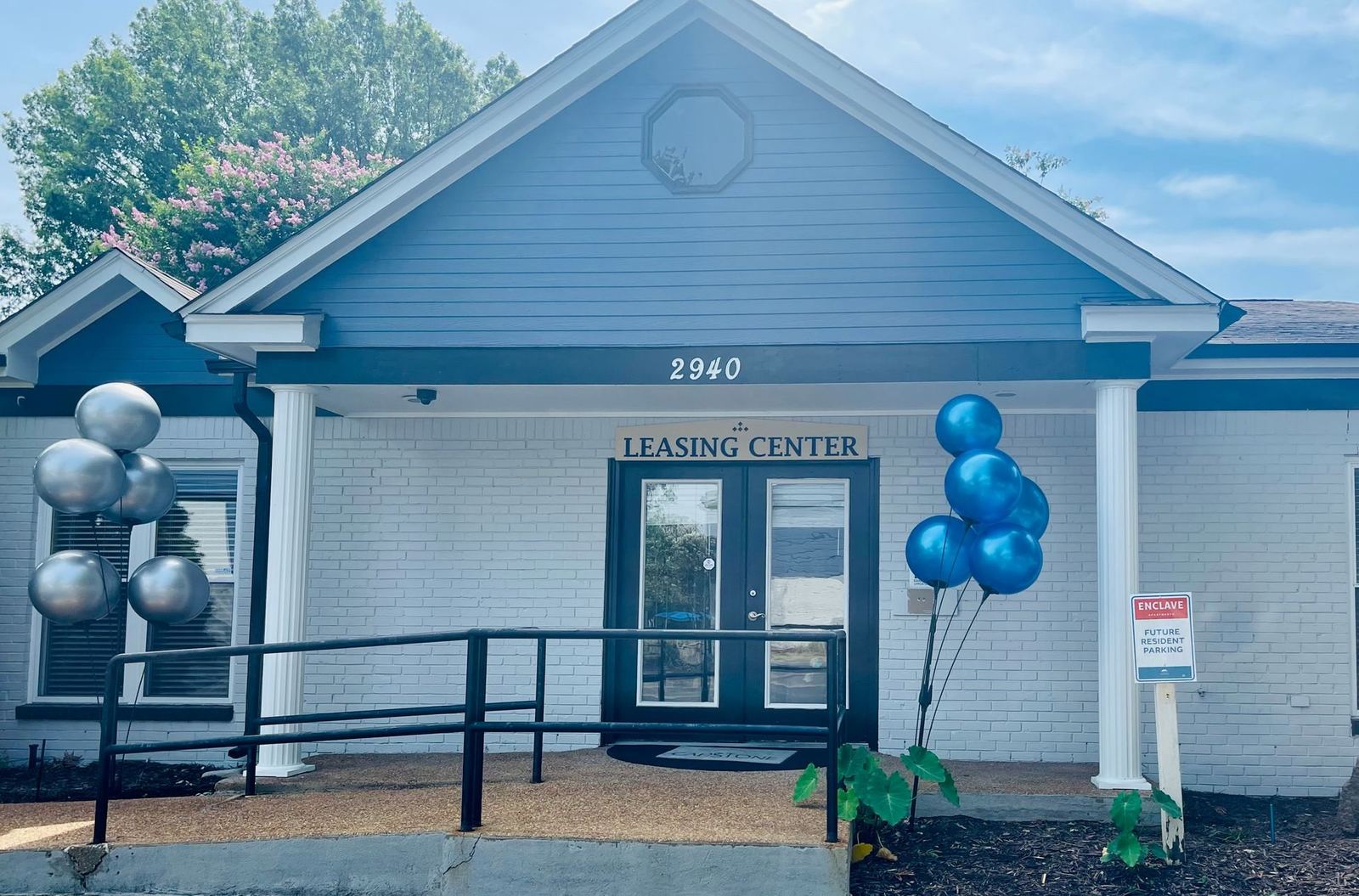
The Enclave offers 208 newly renovated one-, two-, and three-bedroom apartments and duplexes at 2940 Hickory Hill Road in southeast Memphis. The site lists a $50 application fee and a $100 admin fee, and homes start from $910 per month depending on floor plan and availability; pricing is subject to change, so call to confirm. Ask the leasing team about guarantor options when you call (901) 795-4000. Explore the home page, compare floor plans, schedule a tour, or begin with Apply Now.
Frequently asked questions
What is the difference between a guarantor and a co-applicant?
A guarantor generally backs the lease financially but does not live in the apartment. A co-applicant is someone who will live in the home and applies alongside you. Lease wording varies, so read it carefully.
Does The Enclave accept guarantors?
Policies can change, so call the leasing office at (901) 795-4000 to ask about guarantor options and requirements before you apply.