

A good place to do homework can make a real difference in how kids feel about school. In an apartment, you may not have a spare room for a full home office or study, but you do not need one. With smart furniture choices, good lighting, and simple routines, almost any corner can become a focused study spot. This guide covers how to choose the right location, set up the space for different ages, manage noise and screens, keep supplies organized, and use community resources for extra help, with ideas for families at The Enclave Apartment Homes in Fox Meadows.
Pick the right spot
The best study space depends on your child’s age, how independent they are, and the layout of your home.
Kitchen or dining table
For younger children, the kitchen table is often perfect. You can answer questions while cooking, and kids feel less isolated. A rolling cart or a caddy keeps supplies nearby and clears away easily before dinner.
A corner of the living room
A small desk tucked into a living room corner gives kids a dedicated spot that is still within view. Face the desk toward a wall rather than the television to cut distractions.
The bedroom
Middle and high school students often need more quiet and privacy. A compact desk in their bedroom works well, especially for long projects and studying for tests. If siblings share a room, give each child a separate surface or set a schedule for desk time.
A shared second bedroom
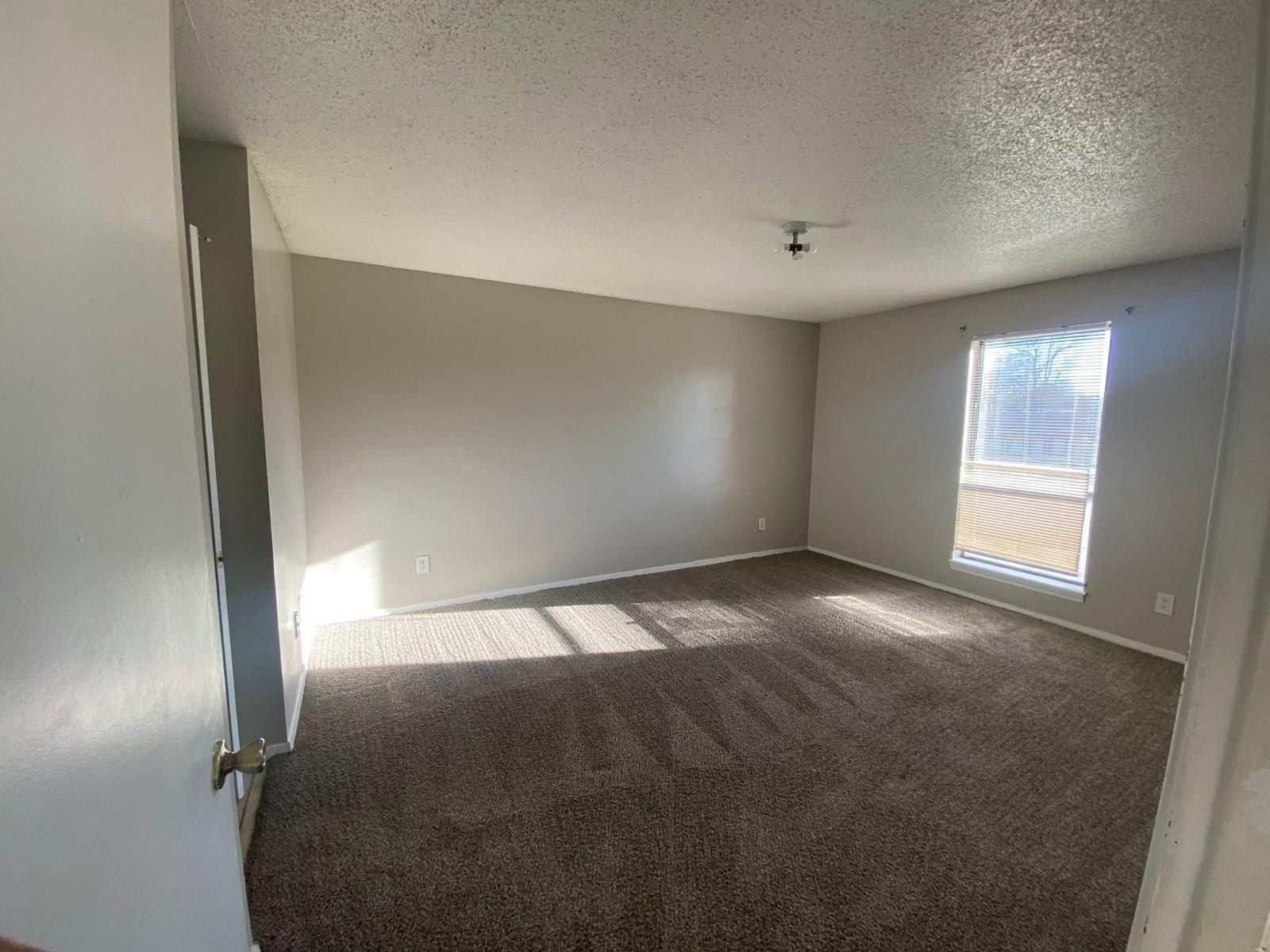
In a two- or three-bedroom home, a spare room can work as a family office and study room. Our guide to second bedroom ideas shows how to make one room serve several purposes. You can compare the one-, two-, and three-bedroom layouts in the floor plans section.
Furniture that fits small spaces
- Wall-hugging desks that are shallow but wide give room for a laptop and a notebook.
- A chair that fits the child, with feet flat on the floor or on a footrest, makes long sessions more comfortable.
- Vertical storage, such as a bookshelf or over-desk shelves, keeps the work surface clear.
- Folding or drop-leaf tables work if the space needs to disappear when not in use.
Choose freestanding pieces so you do not need to drill into walls. Anchor tall bookcases with renter-approved methods if you have young children, and check your lease first.
Light it well
Good lighting reduces eye strain and helps kids stay alert. Place the desk near a window when possible for daylight, and add a desk lamp with a bright, neutral bulb for evenings. Position the lamp opposite the writing hand to avoid shadows: on the left for right-handed kids and on the right for left-handed kids. Our guide to renter-friendly lighting ideas covers bulbs and lamps in more detail.
Manage noise and distractions
Apartments have shared walls, busy kitchens, and siblings. Help kids focus with a few simple strategies:
- Set a quiet hour right after school or after dinner when the TV stays off.
- Use headphones for older kids who focus better with soft music or white noise.
- Add soft surfaces like a rug or curtains to absorb sound.
- Keep phones in another room during homework, or use focus modes and app timers.
For more on sound, see our guide to reducing apartment noise.
Organize supplies
Hunting for a pencil wastes time and patience. Keep a supply kit stocked with pencils, erasers, a sharpener, crayons or markers, scissors, glue sticks, a ruler, highlighters, and loose-leaf paper. A clear bin or desk organizer lets kids see what is running low. Add a folder or tray for papers that need a parent’s signature so nothing gets lost.
Tame the paper pile
Create a simple system: one tray for homework in progress, one for papers to return to school, and one for keepsakes. Clear it out every Friday.
Set up for online learning
Many assignments now happen online. Make sure the study spot has a strong Wi-Fi signal, a power outlet or charging station, and a pair of headphones with a microphone for video lessons. If your connection struggles in certain rooms, our guide to better apartment Wi-Fi can help.
Build a routine
- Snack and break after school before homework starts.
- Same time, same place most days so homework becomes a habit.
- Short focus blocks, such as 20 to 30 minutes with a brief break, help younger kids.
- Check the planner together at the start and end.
- Pack the backpack before bed to make mornings easier.
Use free help in the community
Memphis Public Libraries offer free computer access, Wi-Fi, books, and programs for children and teens. Many schools also provide tutoring or after-school help, so ask your child’s teachers what is available. If you are new to the area and still researching schools, our parent’s guide to schools near 38115 explains how to confirm zoning with Memphis-Shelby County Schools.
Make room for breaks and play
Kids focus better when they get to move. At The Enclave, the soccer field, tennis court, and swimming pool give kids a place to burn off energy close to home. A quick game of catch before homework can make the next hour go more smoothly.
A home that works for school nights
The Enclave offers 208 newly renovated one-, two-, and three-bedroom apartments and duplexes at 2940 Hickory Hill Road in southeast Memphis. Schedule a tour to picture your family’s study corner, or start your application with Apply Now.
Frequently asked questions
Where should kids do homework in a small apartment?
Younger kids often do best at the kitchen table where a parent can help. Older kids usually need a quieter desk in a bedroom or shared second bedroom.
How do I reduce distractions during homework time?
Set a quiet hour with the TV off, keep phones in another room, face the desk toward a wall, and use headphones or soft surfaces to reduce noise.