

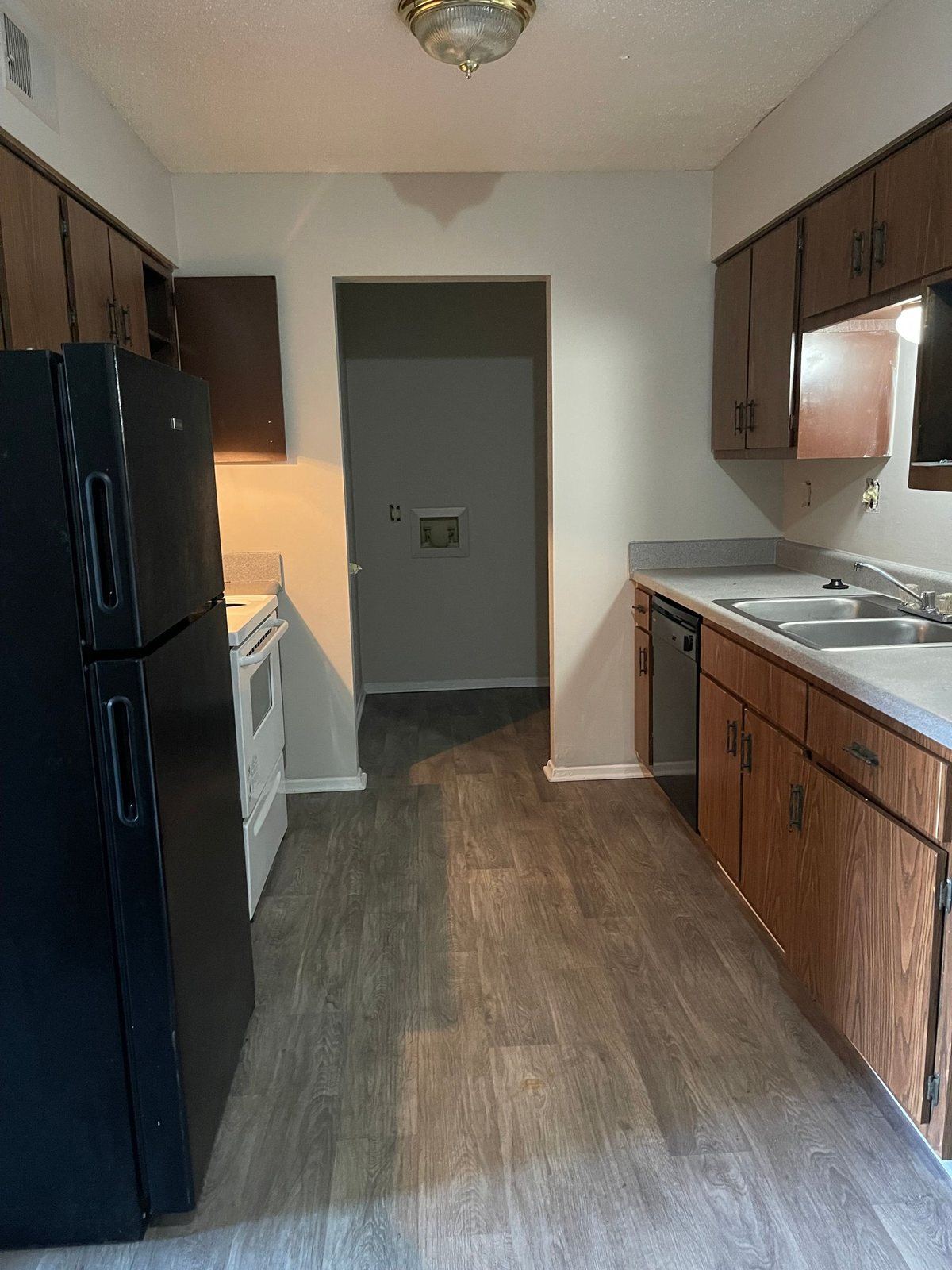
Meal prep is one of the most reliable ways to eat better, spend less, and get back time on busy weeknights. It can seem like something that needs a huge kitchen and a wall of matching containers, but it works just as well in an apartment. With a plan, a few tools, and a smart order of operations, you can cook a week of lunches and dinners in a couple of hours. This guide walks Memphis renters through planning, shopping, cooking, and storing meals in a small apartment kitchen.
Why meal prep makes sense for renters
- It saves money. Cooking in batches cuts down on takeout and helps you use everything you buy.
- It saves time. One focused session replaces several nights of deciding, shopping, and cleaning.
- It fits busy schedules. Shift workers, students, parents, and commuters all benefit from having a meal ready to heat.
- It reduces waste. Planning around what you will actually eat means fewer forgotten vegetables in the crisper drawer.
Step 1: Choose your style of meal prep
Full meals
Cook complete meals and portion them into containers. Great for lunches you take to work and for people who want zero decisions on weeknights.
Ingredient prep
Cook a few building blocks, such as a grain, a protein, and roasted vegetables, then mix and match through the week. This gives you more variety and works well for households where people like different things.
Batch cooking and freezing
Make a double batch of soup, chili, or casserole and freeze half. Over time, you build a freezer stash that covers busy nights.
Most people end up with a mix of all three. Start with whichever sounds easiest.
Step 2: Plan the menu
Pick two or three recipes for the week, not seven. Choose dishes that share ingredients so nothing goes to waste. For example, a pack of chicken thighs can become a rice bowl, tacos, and a soup. A bag of peppers and onions can go into all three.
Write the plan down, including breakfasts and snacks if you want. Then check what you already have before making a list.
Step 3: Shop smart
Southeast Memphis has plenty of grocery options for weekly shopping, and the shopping areas around Hickory Ridge Mall, Parkway Village, and Saddle Creek are part of the neighborhood’s everyday errands. Our shopping and errands guide covers the area, and our grocery budget tips help you keep the total down.
- Buy staples like rice, beans, oats, and pasta in larger packages.
- Choose frozen vegetables for later in the week; they are convenient and reduce waste.
- Buy proteins in family packs and portion them at home.
- Stick to the list. A plan only saves money if you follow it.
Step 4: Set up your small kitchen for prep day
Counter space is the biggest limit in most apartment kitchens. A little setup makes a big difference.
- Clear the counters completely before you start. Move the toaster, mail, and anything else off the surface.
- Use a large cutting board that fits over part of the sink or stove to create extra work space.
- Keep a bowl for scraps on the counter so you are not walking to the trash every minute.
- Use sheet pans to roast several things at once in the oven.
- Wash as you go. Clean bowls and utensils while things cook so the sink never overflows.
If you are still building your kitchen, our first apartment kitchen essentials checklist lists the tools worth buying first.
Step 5: Cook in the right order
The secret to an efficient prep session is starting the longest tasks first.
- Preheat the oven and start anything that roasts or bakes, such as vegetables, chicken, or sweet potatoes.
- Start grains like rice or quinoa on the stove.
- While those cook, chop raw vegetables for snacks and salads.
- Cook stovetop proteins or sauces.
- Let everything cool briefly, then portion into containers.
A slow cooker or multicooker is a great apartment tool because it frees up the stove and oven. Set it with a soup or stew while you work on everything else.
Storing your meals safely
Containers
Glass containers with locking lids are durable and microwave safe. Stackable, same-size containers save cabinet and refrigerator space. Label lids with the dish name and date using masking tape and a marker.
Refrigerator and freezer timing
Most cooked meals are best eaten within about three to four days from the refrigerator. Freeze anything you will not eat by then. Cool food before stacking it in the refrigerator, but do not leave it on the counter for hours. When in doubt, follow food-safety guidance from trusted sources such as the USDA.
Organize the fridge
Put prepared meals at eye level so you see them first. Keep raw meat on the bottom shelf to avoid drips.
Keep your kitchen fresh and pest-free
Cooking a lot at once means more scraps and more packaging. Take the trash out the same day, rinse containers before recycling, and wipe crumbs from counters and floors. Storing dry goods in sealed containers helps keep pests away. Our guide to keeping pests out of your apartment has more ideas. Use a range hood or vent fan while cooking, if your kitchen has one, to reduce smoke and odors.
Meal prep ideas for different households
Cooking for one
Halve recipes or freeze individual portions so you are not eating the same meal six days in a row. Muffin-tin egg bites and burrito packs freeze very well.
Couples and roommates
Take turns running prep day or split the work: one person shops, the other cooks. Agree on a few shared meals and leave room for individual preferences.
Families
Prep breakfast items and school snacks along with dinners. Let kids help with simple tasks like washing produce or filling containers.
Five simple meal-prep recipes to try
- Sheet-pan chicken with peppers, onions, and potatoes.
- Turkey or bean chili that freezes well.
- Rice bowls with roasted vegetables, a protein, and a simple sauce.
- Overnight oats in jars for grab-and-go breakfasts.
- Pasta salad with vegetables and a vinaigrette for lunches.
A kitchen to call your own
At The Enclave Apartment Homes, our newly renovated one-, two-, and three-bedroom homes range from 689 to 1,150 square feet. See the floor plans, schedule a tour to see a kitchen in person, or begin your application with Apply Now.
Frequently asked questions
How long do meal-prepped meals last in the refrigerator?
Most cooked meals are best eaten within about three to four days. Freeze portions you will not eat by then, and follow trusted food-safety guidance such as the USDA’s.
What is the easiest way to meal prep with little counter space?
Clear the counters completely, use a large cutting board and sheet pans, start the longest-cooking items first, and wash dishes as you go. A slow cooker frees up the stove.