
Every renter deserves a fair chance at a home. The federal Fair Housing Act makes it illegal to discriminate in renting and other housing activities based on certain protected characteristics, and it gives people with disabilities the right to ask for reasonable accommodations and modifications. Understanding these rights helps you apply with confidence and know what to do if something feels wrong. This plain-English guide explains the basics for Memphis renters. The Enclave Apartment Homes is an Equal Housing Opportunity community.
This article is general information, not legal advice. For help with a specific situation, contact HUD, the Tennessee Human Rights Commission, or a qualified attorney or legal aid organization.
What the Fair Housing Act protects
Under federal law, housing providers may not discriminate because of:
- Race
- Color
- National origin
- Religion
- Sex
- Familial status, such as having children under 18 or being pregnant
- Disability
State and local laws can add protections. Tennessee has its own fair housing law, enforced by the Tennessee Human Rights Commission. The rules apply to the whole rental process, including advertising, tours, applications, lease terms, maintenance, and renewals, so they matter long after move-in day.
What discrimination can look like
Illegal discrimination is not always obvious. Examples could include:
- Saying a home is unavailable when it is actually available.
- Offering different terms, fees, or rules to different applicants based on a protected characteristic.
- Steering families with children to certain buildings.
- Advertising that shows a preference, such as “perfect for singles only.”
- Refusing a reasonable accommodation for a person with a disability.
Applying the same written screening criteria to every applicant, such as checking income, rental history, and credit, is generally allowed. Our post on renting with bad credit covers how to strengthen an application.
Reasonable accommodations
A reasonable accommodation is a change in a rule, policy, practice, or service that a person with a disability needs to have an equal opportunity to use and enjoy their home. Examples include:
- Allowing an assistance animal in a community with pet restrictions.
- Providing a reserved accessible parking space.
- Changing a rent due date to line up with when disability benefits arrive.
- Sending notices in a format the resident can read.
How to ask
- Make the request to the leasing office. It can be verbal, but writing it down and keeping a copy creates a clear record.
- Explain what you are asking for and that it relates to a disability. You do not need to share your diagnosis.
- If the disability or need is not obvious, the housing provider may ask for reliable information, such as a letter from a health professional, showing the connection.
- Be open to discussing alternatives if the exact request is not workable.
Assistance animals
Assistance animals, which include service animals and support animals, are not considered pets under fair housing rules. That generally means pet fees and pet rent do not apply to them, though residents are still responsible for any damage and for following community rules about behavior and cleanup. The rules for documenting a need for an assistance animal can be detailed, so ask the leasing office how requests are handled and keep copies of everything you submit. If you have a pet that is not an assistance animal, The Enclave is pet friendly, and our pet-friendly living guide explains more.
Reasonable modifications
A reasonable modification is a physical change to a home or common area that a person with a disability needs, such as grab bars in a bathroom or a ramp at an entrance. Under federal law, residents may request modifications. Who pays and whether the home must be restored at move-out depends on the type of property and the situation, so ask and get any agreement in writing.
Families with children
Families with children are protected under familial status. Communities can have reasonable, neutral rules for safety, like pool rules, but cannot ban children or limit them to certain areas without a valid reason. Our guide to family apartments in southeast Memphis covers finding a home with room to grow.
What to do if you suspect discrimination
- Write it down. Note dates, names, what was said, and keep emails, texts, and ads.
- File a complaint with HUD. HUD accepts complaints online, by phone, or by mail. Federal law generally sets a one-year window to file with HUD, so do not wait.
- Contact the state. The Tennessee Human Rights Commission handles housing discrimination complaints in Tennessee.
- Get local help. Memphis-area legal aid and fair housing organizations can offer guidance.
Questions to ask on any apartment tour
Whatever community you consider, ask about written screening criteria, fees, accessibility features, and how to request an accommodation. A good leasing team will answer clearly. Our apartment tour checklist has more questions to bring.
Find your home at The Enclave
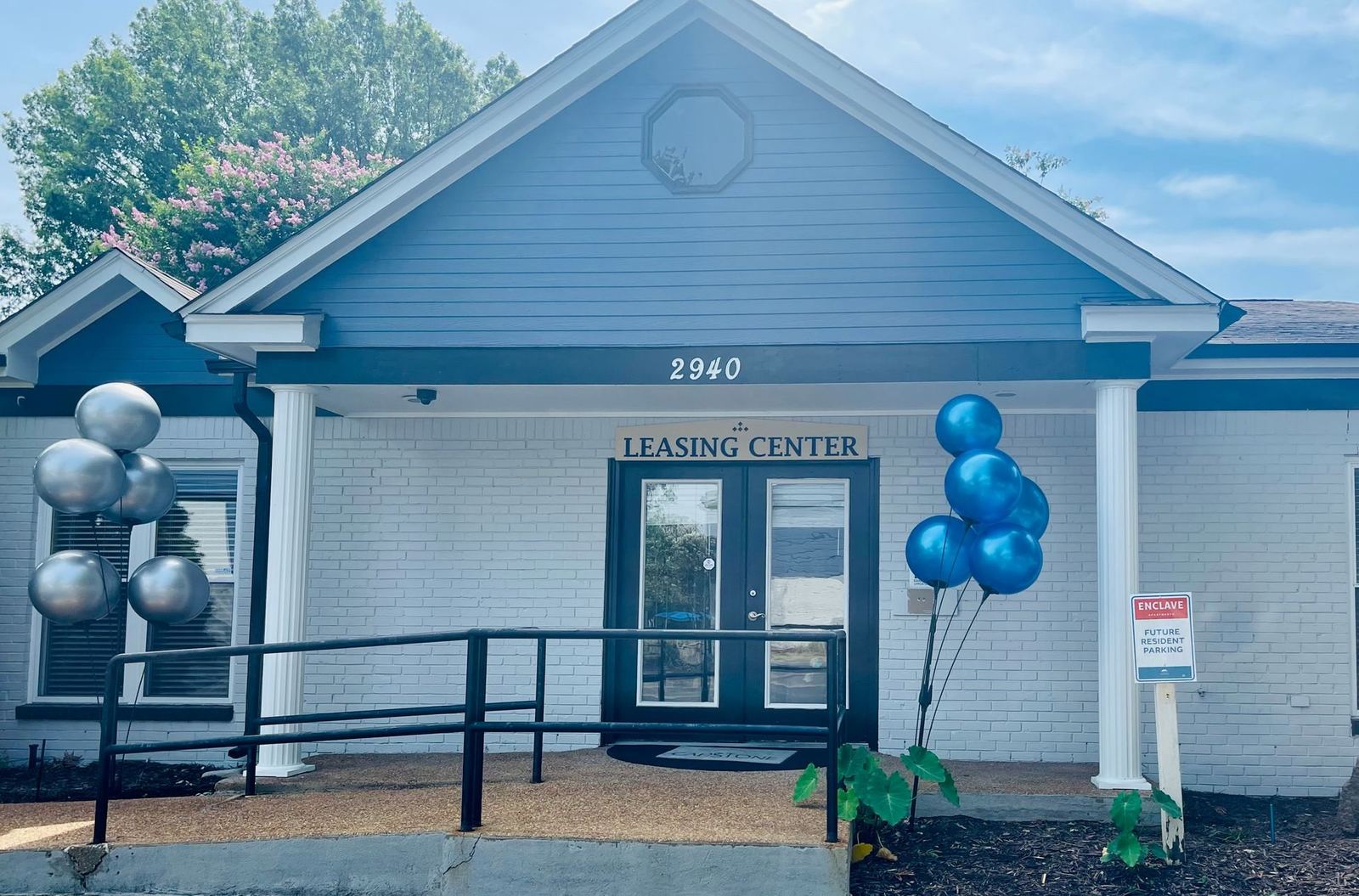
The Enclave offers newly renovated one-, two-, and three-bedroom apartments and duplexes at 2940 Hickory Hill Road in Memphis. Explore the floor plans, schedule a tour, call (901) 795-4000, or apply now.
Frequently asked questions
What does the Fair Housing Act protect?
It prohibits housing discrimination based on race, color, national origin, religion, sex, familial status, and disability. State and local laws can add protections.
What is a reasonable accommodation?
It is a change to a rule, policy, practice, or service that a person with a disability needs to have an equal opportunity to use and enjoy their home, such as allowing an assistance animal.
Where can I file a housing discrimination complaint in Tennessee?
You can file with HUD and with the Tennessee Human Rights Commission. Federal law generally allows one year to file with HUD, so act promptly.