

After rent, transportation is often the biggest expense in a Memphis household. Car payments, insurance, gas, maintenance, parking, and rideshares can quietly add up to hundreds of dollars a month. Because Memphis is spread out and many people drive to work, it is easy to assume those costs are fixed. They are not. With a few changes in habits, planning, and where you live, renters can trim transportation spending and put that money toward savings or other goals. This guide covers practical ways to cut transportation costs in Memphis.
Start by knowing what you spend
Most people underestimate their transportation costs. For one month, track everything:
- Car payment or lease.
- Insurance premium (divide a six-month or yearly policy into a monthly number).
- Gas.
- Maintenance and repairs, averaged over a year.
- Registration, tags, and inspections or emissions fees where applicable.
- Parking, tolls, rideshares, and bus fares.
Adding these up gives you a true monthly transportation cost to compare against your housing cost. Our guide on comparing apartments by true monthly cost explains why commute costs belong in your housing decision.
Location: the biggest lever
Where you live determines how far you drive every day. A slightly lower rent across town can cost more overall if it adds many miles to your commute. When choosing an apartment, estimate your round-trip mileage to work, school, and regular errands.
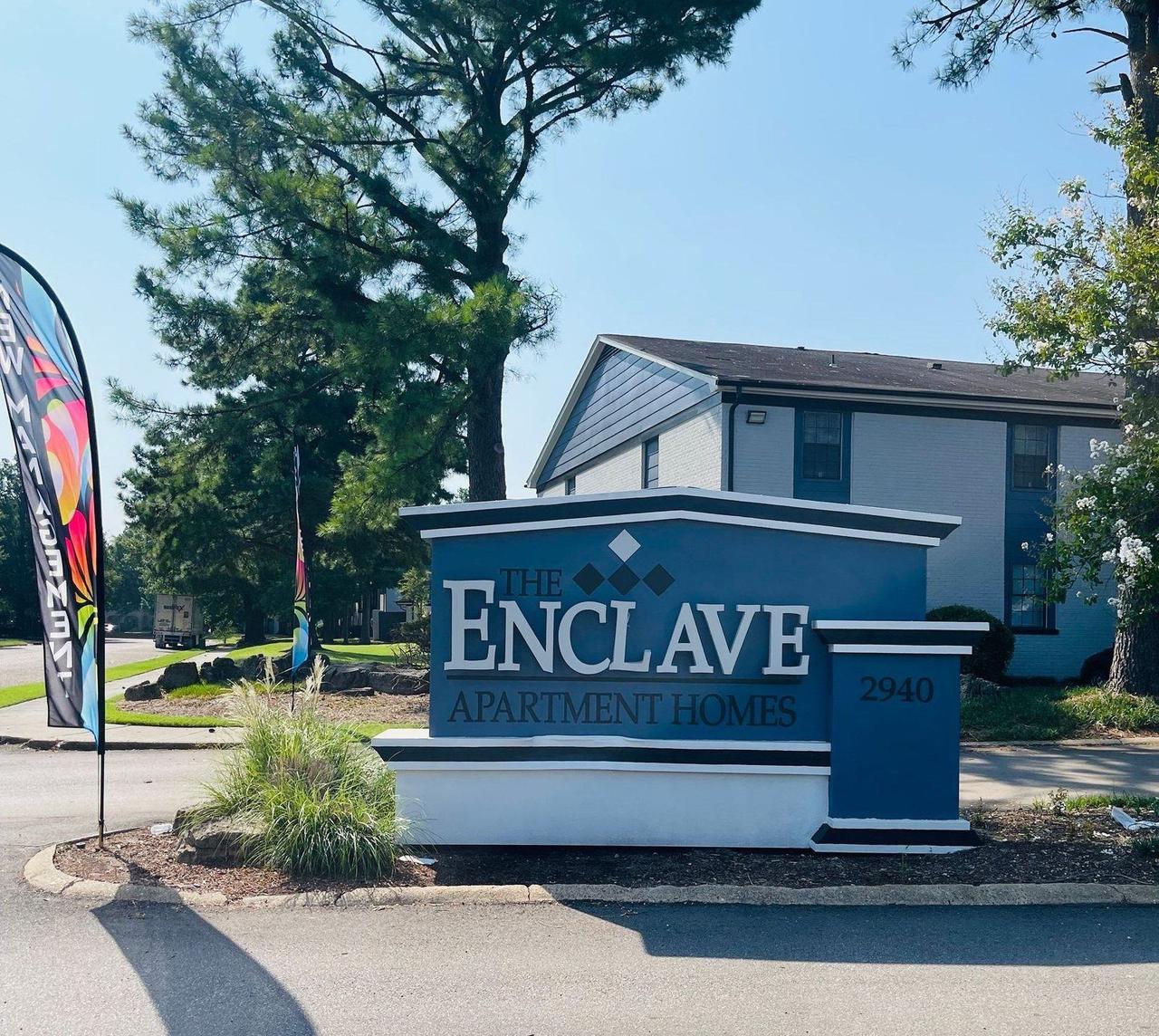
The Enclave sits at 2940 Hickory Hill Road in Fox Meadows, minutes from Highway 385 and Interstate 240. I-240 connects the area to Downtown Memphis, about 17 miles away, and to Memphis International Airport. Shopping at Hickory Ridge Mall, Parkway Village Shopping Center, and Saddle Creek is part of the neighborhood. Our commuting guide covers the main routes.
Save on gas
Drive smoothly
Fast starts, hard braking, and high highway speeds burn more fuel. Using cruise control on I-240 and easing into stops can make a noticeable difference.
Combine errands
Plan one loop for groceries, the pharmacy, and other stops instead of several separate trips. Doing errands on the way home from work saves even more.
Compare gas prices
Prices can vary between stations in the same area. Gas price apps and store loyalty programs can help, but do not drive far out of your way to save a few cents.
Lighten the load
Extra weight in the trunk and roof racks you are not using reduce fuel economy.
Cut car insurance costs
- Shop around at least once a year, especially after a move. Rates can change with your address.
- Bundle auto and renter’s insurance with the same company for a possible discount. See our renter’s insurance guide.
- Raise your deductible if you have an emergency fund to cover it.
- Ask about discounts for safe driving, low mileage, good students, or paying in full.
Keep up with maintenance
Skipping maintenance often leads to bigger, more expensive repairs. Keep tires properly inflated, which also improves fuel economy, and follow the oil change schedule in your owner’s manual. Memphis summers are hard on batteries and cooling systems, and cold snaps can expose weak batteries too. Setting aside a small amount each month for car care keeps surprises manageable; our emergency fund guide explains how.
Try public transit for some trips
MATA operates buses across Memphis. Even if you drive most days, taking the bus for some trips can save on gas and parking, especially downtown. Check routes and schedules before you rely on them. Our MATA bus guide explains how to plan a trip.
Carpool and share rides
Sharing a commute with a coworker or neighbor can cut gas and wear on your car significantly. Many large employers in the region run shift-based schedules, which can make carpooling easier when people work the same hours. For one-off trips, compare rideshare prices with the cost of parking before you decide.
Consider whether you need two cars
For couples and roommates, going from two cars to one can be one of the biggest savings available. It takes planning and some flexibility, but if one person works from home or has a short commute, it may be possible. Add up the insurance, payment, and maintenance on the second car and compare it to occasional rideshares or transit.
Walk or bike for short trips
Short trips are the least fuel-efficient kind of driving. On nice days, walking or biking to nearby spots saves money and adds exercise. Always use sidewalks and crosswalks where available, wear bright clothing, and use lights at night.
Use what is close to home
Amenities on your property mean fewer trips. At The Enclave, residents have a swimming pool, fitness center, tennis court, soccer field, dog park, clubhouse, and on-site laundry room. Skipping a drive to the gym or laundromat several times a week adds up over a year. Our post on staying active with community amenities has ideas.
Plan big trips
For road trips or holiday travel, compare driving costs with a rental car, especially if your car is older. Check tire pressure and fluids before a long drive, and plan fuel stops ahead of time.
Put the savings to work
Once you trim transportation costs, move the difference into savings automatically so it does not disappear into everyday spending. Even $50 a month adds up to $600 a year.
Live where life is convenient
The Enclave Apartment Homes offers newly renovated one-, two-, and three-bedroom homes in Fox Meadows with quick access to I-240 and Highway 385. Compare floor plans, schedule a tour, or start with Apply Now.
Frequently asked questions
What is the biggest way to lower transportation costs?
Where you live. Choosing a home closer to work, school, and errands reduces daily miles, gas, and wear on your car.
Should I bundle car and renter’s insurance?
Bundling with one company can lead to a discount. Compare quotes, since the bundle is not always the cheapest option.