

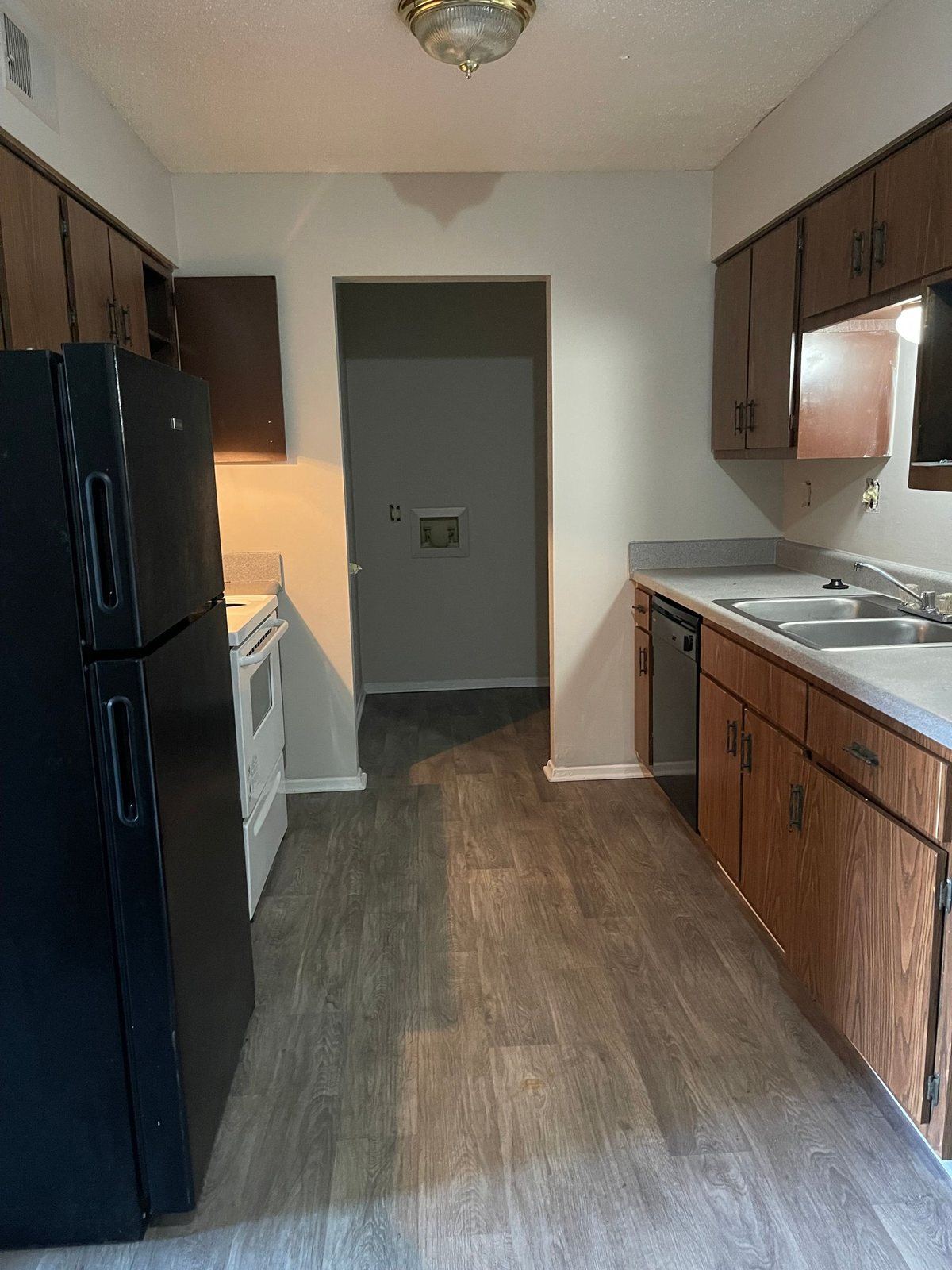
The appliances in your apartment kitchen work hard: the refrigerator runs all day, the stove handles weeknight dinners and holiday feasts, and the microwave reheats leftovers several times a day. Taking care of them keeps your kitchen running smoothly, helps food stay fresh and safe, and can protect your security deposit when it is time to move. This guide covers simple, renter-friendly care habits for common kitchen appliances, plus how to know when something needs a maintenance request instead of a do-it-yourself fix.
Ground rules for renters
In most apartments, the major appliances belong to the property, not the resident. That shapes how you care for them:
- Do not attempt repairs that involve opening panels, electrical parts, or gas connections. Submit a maintenance request instead.
- Report problems early. A small issue, like a refrigerator that is not quite cold enough, is easier to fix before it becomes a big one.
- Read the manual if one was left for you, or look up the model number online for care instructions.
- Follow your lease on adding appliances of your own.
At The Enclave, residents can submit maintenance requests through the resident portal. Our maintenance request guide explains how to write a request that gets resolved quickly.
Refrigerator and freezer
Set the right temperatures
Food safety agencies recommend keeping the refrigerator at 40°F or below and the freezer at 0°F. An inexpensive appliance thermometer helps you check.
Keep the door seals clean
The rubber gasket around the door keeps cold air in. Wipe it with warm, soapy water every month or two, and check that it seals evenly. If you notice a gap, tearing, or the door does not close properly, report it.
Do not overpack
Cold air needs to circulate. An overstuffed refrigerator can cool unevenly, and blocking vents inside can cause some areas to freeze while others stay too warm.
Clean spills right away
Sticky spills are easier to wipe up fresh. Do a quick weekly check for expired food, and a deeper clean every few months: remove shelves and drawers, wash them in warm soapy water, and dry before replacing.
Deal with odors naturally
An open box of baking soda absorbs odors. Our guide to apartment odor control has more tips.
Watch for warning signs
Report water pooling inside or under the refrigerator, frost building up quickly in a frost-free freezer, unusual noises, or food not staying cold.
Stove and oven
Wipe the cooktop after each use
Once the cooktop is cool, wipe it down. Spills that bake on over and over become hard to remove and can affect how burners work.
Clean drip pans and burner areas
If your stove has removable drip pans, soak them in warm soapy water when they get greasy. Inexpensive liners can make cleanup easier, but make sure any liner is designed for your type of stove.
Clean the oven carefully
Place a baking sheet on a lower rack when cooking dishes that might bubble over. If your oven has a self-cleaning feature, check the manual and ask the leasing office before using it, since it runs at very high heat. Otherwise, a paste of baking soda and water left overnight loosens grime without harsh fumes.
Safety first
Never leave cooking unattended, keep flammable items away from burners, and never use the oven to heat your home. Our apartment fire safety guide covers kitchen fire prevention.
Microwave
- Cover food with a microwave-safe cover or paper towel to prevent splatters.
- Steam-clean weekly: heat a bowl of water with lemon slices or a splash of vinegar for a few minutes, then wipe the softened residue away.
- Never run the microwave empty, and never use metal or foil unless the manual allows it.
- Report sparking, unusual noises, or a door that does not close properly.
Dishwasher (if your home has one)
- Scrape plates into the trash; you usually do not need to pre-rinse heavily.
- Use only detergent made for automatic dishwashers. Dish soap for handwashing creates excess suds that can leak.
- Load so spray arms can spin freely.
- Check and clean the filter if your model has a removable one.
- Run hot water at the kitchen sink briefly before starting a cycle so the dishwasher fills with hot water.
Garbage disposal (if your home has one)
- Run cold water before, during, and after using it.
- Feed small amounts of soft food scraps at a time.
- Keep grease, bones, fruit pits, coffee grounds, eggshells, and fibrous peels out.
- Never put your hand inside. If it hums but does not spin, turn it off and submit a request.
Our guide to apartment plumbing basics explains how to prevent clogs.
Range hood and vent fan
If your stove has a vent fan, run it while cooking to reduce steam, smoke, and odors. Some hoods have removable metal filters that collect grease; check the manual and wash them periodically in hot, soapy water if they are designed to be removed.
Small appliances you bring
Coffee makers, toasters, air fryers, and slow cookers need care too. Descale coffee makers regularly, empty toaster crumb trays, and unplug small appliances when not in use. Avoid plugging several high-wattage appliances into one outlet or power strip at the same time.
A simple appliance care schedule
Daily
Wipe the cooktop and counters, and clean up spills inside the microwave and fridge.
Weekly
Steam-clean the microwave, toss expired food, and wipe appliance handles and doors.
Monthly
Clean refrigerator seals, soak drip pans, check the dishwasher filter, and wash range hood filters if removable.
Every few months
Deep clean the refrigerator and oven.
Our apartment cleaning schedule fits these tasks into a whole-home routine.
Appliance care and your security deposit
When you move out, clean appliances are part of leaving your home in good condition. Food residue, grease buildup, and damage beyond normal wear can affect your deposit. Keeping up with small tasks throughout your lease makes move-out much easier. Read our security deposit guide for a full move-out checklist.
Newly renovated kitchens in southeast Memphis
The Enclave offers 208 newly renovated one-, two-, and three-bedroom apartments and duplexes at 2940 Hickory Hill Road in Fox Meadows. Visit our home page, compare the floor plans, schedule a tour, or start with Apply Now.
Frequently asked questions
What temperature should my apartment refrigerator be?
Food safety agencies recommend 40°F or below for the refrigerator and 0°F for the freezer.
Should I repair an apartment appliance myself?
No. Appliances usually belong to the property. Keep them clean, and submit a maintenance request for anything involving repairs, electrical parts, or gas connections.