

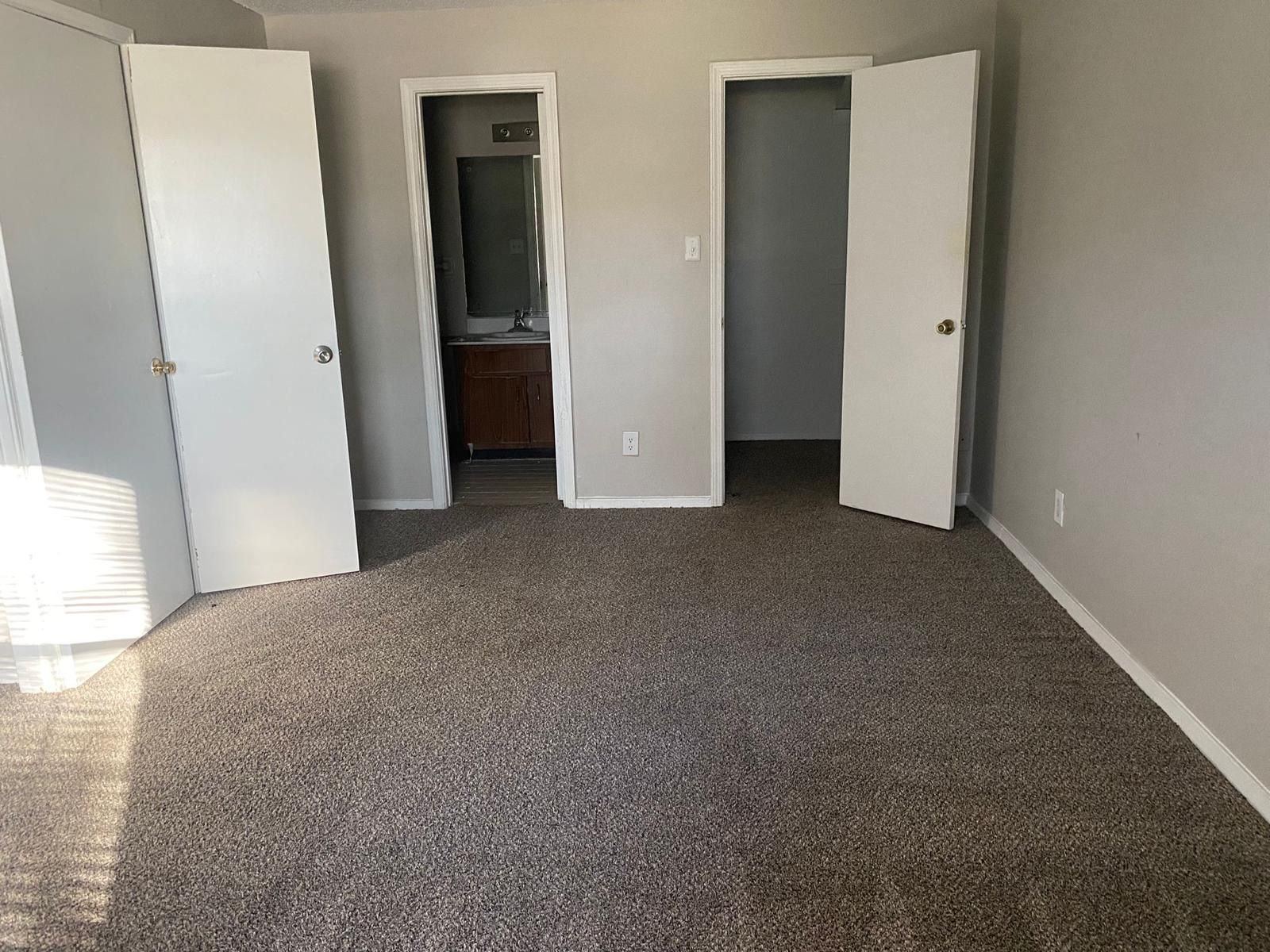
Life changes do not always line up with lease dates. A partner moves in, a roommate gets a job in another city, a friend needs a place to stay, or a sibling joins the household. Whatever the reason, adding or removing a roommate in the middle of a lease is a common situation, and handling it the right way protects everyone involved. This guide explains what renters should know before changing who lives in an apartment, how the process usually works, and how to keep things fair between roommates.
Why you cannot just add or remove someone informally
It can be tempting to let a friend move in and sort out the paperwork later, or to let a roommate move out without telling anyone. Both can cause problems:
- Your lease likely lists who may live in the home. Adding a long-term occupant without approval may violate your lease.
- Responsibility usually follows the lease. A roommate who moves out may still be legally responsible for rent until they are formally removed.
- Insurance and safety matter. Property managers need to know who lives in each home, and your renter’s insurance may only cover named people.
The specifics depend on your lease and your property, so always start by reading your lease and talking with the leasing office.
Key lease terms to understand
Joint and several liability
Many roommate leases make each person responsible for the full rent and any damage, not just their share. If one roommate stops paying, the others may be on the hook. Our lease terms glossary explains this and other common phrases.
Occupants vs. leaseholders
Leases often distinguish between adults who sign the lease and occupants, such as children, who live there but do not sign. Adults moving in are typically required to apply and be added to the lease.
Guests
Leases often set a limit on how long a guest can stay before they count as a resident. If a “temporary” guest has been there for weeks, it may be time to make it official.
Adding a roommate: how it usually works
- Talk to your current roommates first. Everyone on the lease should agree before anyone new moves in.
- Contact the leasing office. Explain the situation and ask about the process, timeline, and any fees.
- The new roommate applies. Expect a standard application, which may include ID, proof of income, and screening. At The Enclave, the published application fee is $50, and the Apply Now link opens the secure online application.
- Sign a lease update. Once approved, the new person is added through an addendum or a new lease, depending on the property’s process.
- Update everything else. Add the new roommate to renter’s insurance, utility accounts, and your household bill system.
Removing a roommate: how it usually works
Removing someone from a lease is usually more involved than adding someone, because the property needs to know the remaining residents can still cover the rent.
- Give notice early. Tell your roommates and the leasing office as soon as you know about the move.
- Ask about the process. Some properties allow a release if the remaining residents qualify on their own or if a replacement roommate is approved. Others may require the lease to continue as written until it ends.
- Get it in writing. Until you have a signed document releasing the departing roommate, assume they remain on the lease.
- Settle the deposit question. Security deposits are often returned at the end of the full tenancy, not when one person leaves. Roommates frequently settle up privately, with the person staying paying back the person leaving.
If you are thinking about leaving the lease entirely, see our guide on breaking a lease early in Tennessee.
Keeping it fair between roommates
Write a roommate agreement
A simple written agreement covers rent splits, bills, chores, guests, quiet hours, and what happens if someone moves out. It is not a substitute for the lease, but it prevents misunderstandings. Our roommate guide has a template-style checklist.
Recalculate the split
When someone joins, decide whether rent is split evenly or by room size. A primary bedroom with its own bathroom is often worth a larger share.
Document the condition
When a roommate leaves, walk through together and take photos of shared spaces and their bedroom. This avoids disputes about damage later.
Divide shared items
Decide who keeps furniture, kitchen supplies, and electronics bought together. Agree on any buyouts before moving day.
Choosing the right floor plan for more people
If your household is growing, make sure your apartment still fits. At The Enclave, the floor plans include a one-bedroom, one-bath home (689 square feet), a two-bedroom, two-bath home (1,014 square feet), and a three-bedroom, two-bath home (1,150 square feet). A two-bedroom with two bathrooms is a popular roommate setup because each person has a private bath. Compare them in the floor plans section of our home page, and ask the leasing office about options if you are considering a different layout when your lease is up.
Money details to sort out
- Rent: Agree on who pays what, starting from which date, and how partial months are handled.
- Utilities: Add or remove names on accounts and split the final bills fairly.
- Pets: If a new roommate brings a pet, it needs to be approved under the property’s pet policy. At The Enclave, published pet fees are a $150 fee and $25 per month for a dog, and a $125 fee and $20 per month for a cat.
- Insurance: Each roommate should make sure their own belongings are covered.
When to ask for help
If roommates disagree about money or a move-out and cannot resolve it, consider mediation through a community resource before things escalate. For legal questions about your specific lease, a local legal aid organization or attorney can help. And for anything involving the lease itself, the leasing office is your first call.
Talk to us
Residents and future residents of The Enclave Apartment Homes can call (901) 795-4000 with questions about adding or removing someone from a lease. Looking for a new place with a roommate? Schedule a tour to see the floor plans in person.
Frequently asked questions
Can I let a friend move in without telling the leasing office?
Generally no. Leases usually list who may live in the home, and long-term guests may count as residents. Ask the leasing office about adding someone properly.
Is a roommate who moves out still responsible for rent?
Often, yes, until they are formally released in writing. Many roommate leases make each person responsible for the full rent.
What happens to the security deposit when a roommate leaves?
Deposits are often returned at the end of the full tenancy, so roommates commonly settle up privately. Ask the leasing office how your lease handles it.